

Baby Feeding Bottle
Couldn't load pickup availability

Non-slip Grip & Comfortable Touch

Efficient Heat Transfer

Anti Shatter Silicone Protection Layer
Description
Designed to ensure a smooth transition from breast to bottle feeding, the Aiwibi Glass Baby Bottle combines scientific care in every detail. Its anti-colic system effectively reduces discomfort for a more peaceful feeding experience. The breast-shaped nipple closely mimics the feel of breastfeeding, helping babies easily adapt to bottle feeding. The silicone protective layer provides a secure and comfortable grip while enhancing safety by preventing glass shards from scattering in case of accidental drops. Free from BPA, BPS, and lead, this bottle is made with pure materials to safeguard your baby's health with every feed.
Features
Features
Non-slip Grip & Comfortable Touch
Silicone-coated glass boasts a skin-like texture for a steady, pleasant hold.
Efficient Heat Transfer
Borosilicate glass ensures better heat-transfer to warm milk faster.
Anti Shatter Silicone Protection Layer
Keeps glass contained when dropped, ensuring maximum safety.
Anti-colic System
Designed to reduce colic and discomfort by minimizing swallowed air.
Breast-like Shape
Effortlessly switch from breast feeding to bottle feeding.
BPA FREE、BPS FREE、 LEAD
FREE Additional Nipple +1(Free pacifier gift)


FAQs
Glass baby feeding bottles are generally safer than plastic ones, as they contain no harmful chemicals such as BPA, BPS, and lead. When used and cleaned properly, glass feeding bottles are an extremely safe choice.
Despite their excellent heat resistance, glass may crack if dropped accidentally. Our glass feeding bottles are equipped with a silicone protective layer on the outer body, which effectively prevents glass shards from splashing even in case of accidental drops, greatly enhancing safety during use.
Glass feeding bottles can be used to warm milk, but sudden temperature changes (e.g., heating directly from the refrigerator) should be avoided. It is best to warm the bottle in warm water first to prevent the glass from cracking due to excessive temperature.
Glass feeding bottles are suitable for babies of all ages, especially for the transition from breastfeeding to bottle feeding. Many glass bottles are designed with breast-shaped nipples that meet babies' needs, helping them adapt to bottle feeding more naturally.
Glass feeding bottles are slightly heavier than plastic ones. However, modern glass feeding bottles are usually made of high-quality heat-resistant glass and are designed to keep the body lightweight for easy gripping by babies.
Glass feeding bottles have a long service life as long as there are no damages, scratches, or cracks. Regularly check the bottle for damage and replace it when necessary.
You may also like
-
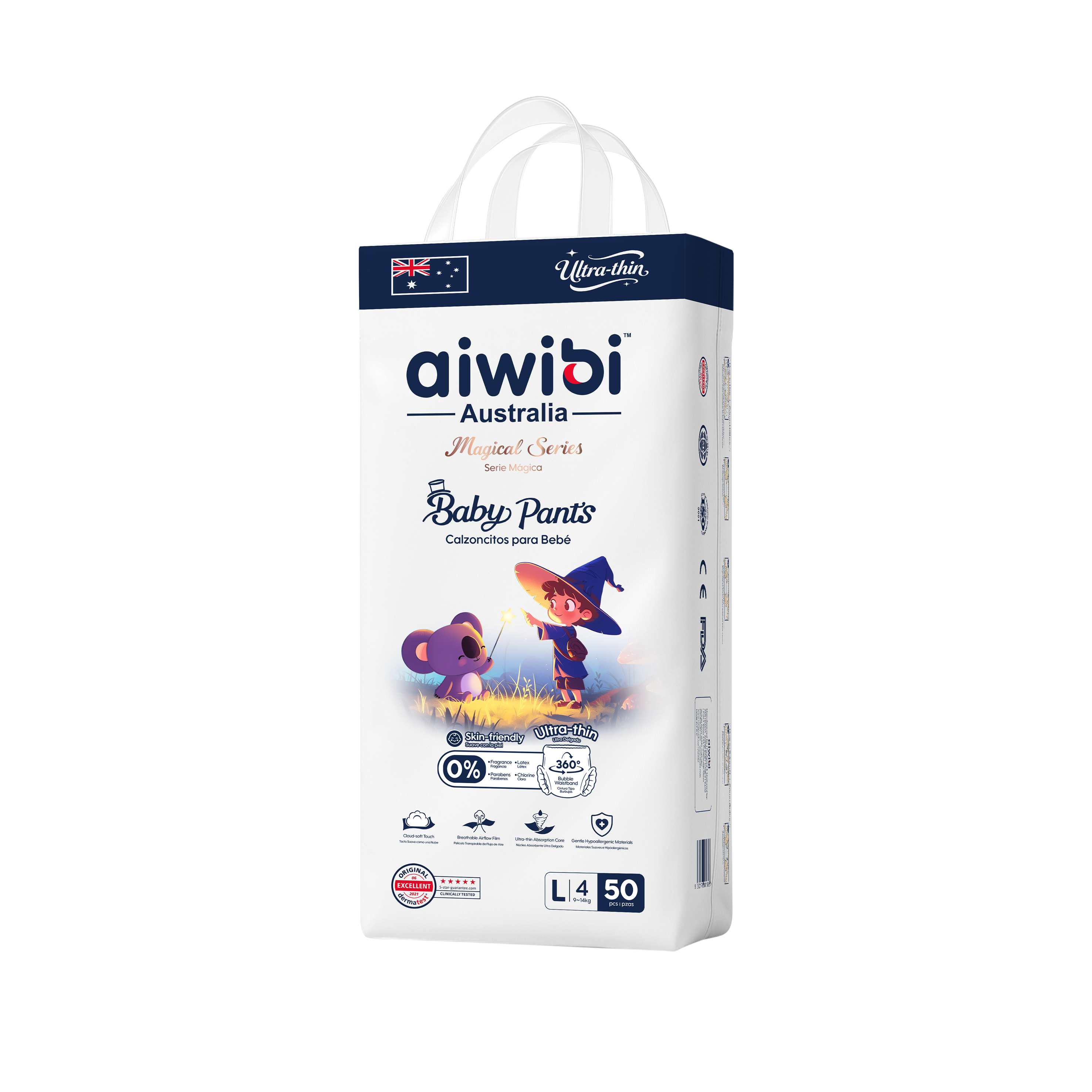
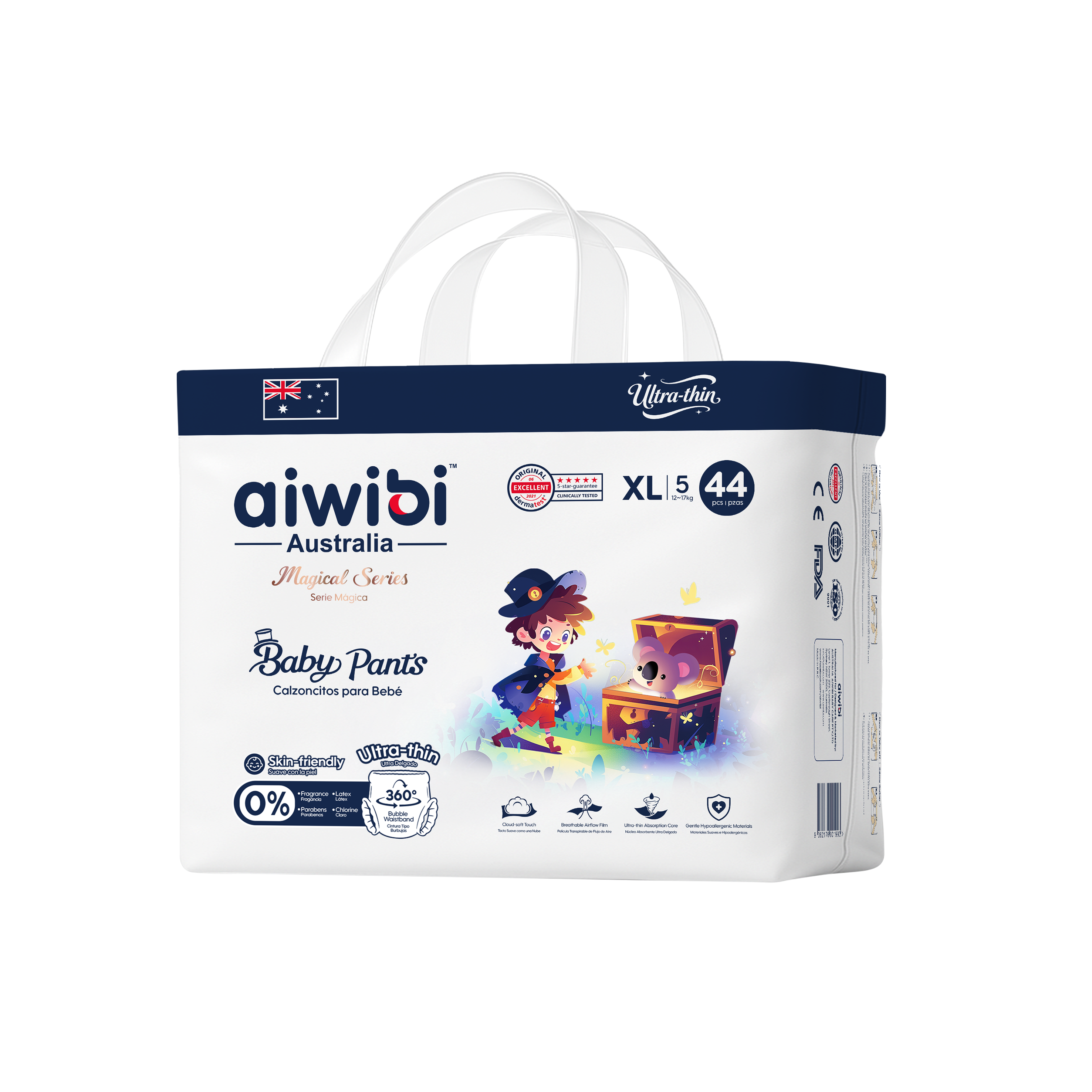
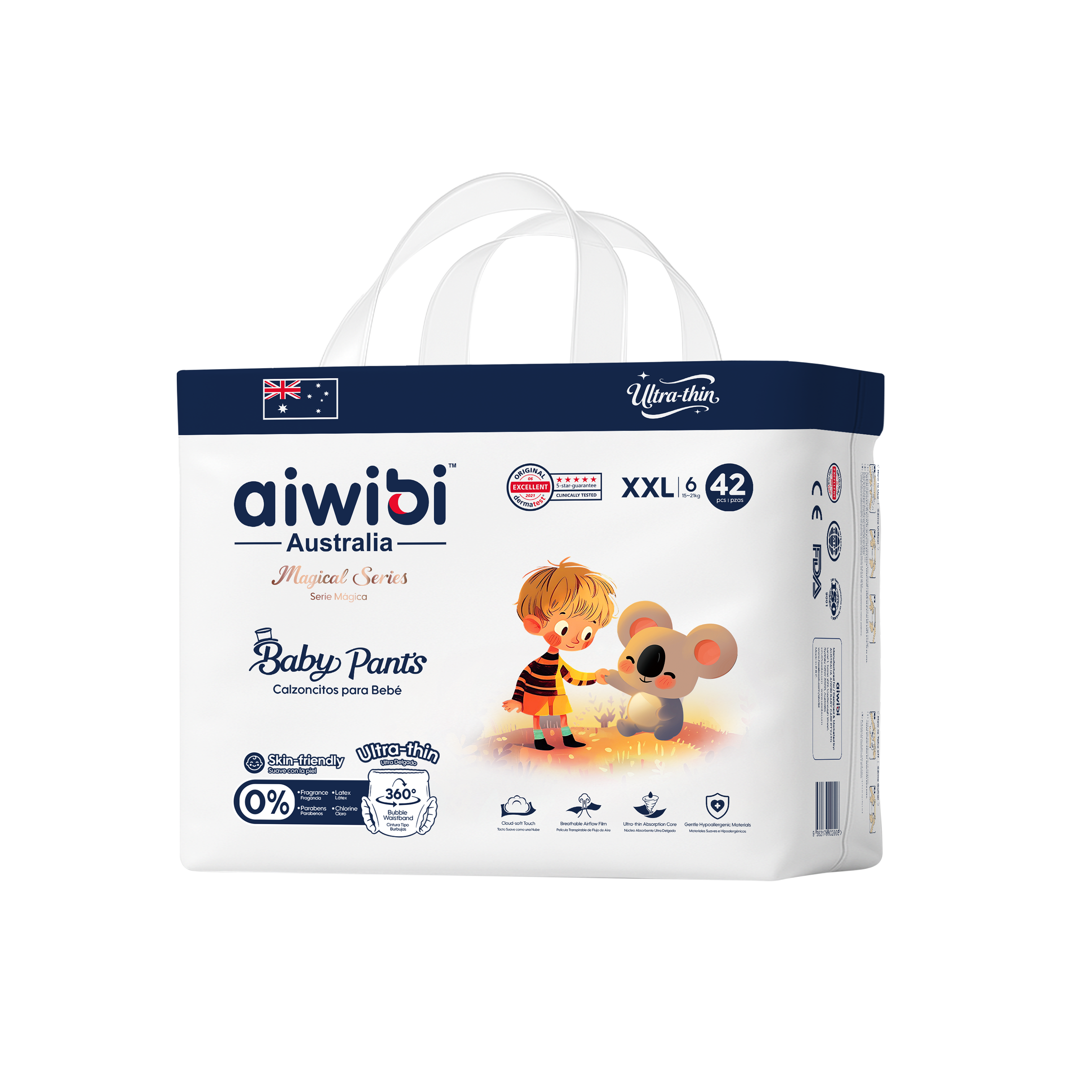 1% off
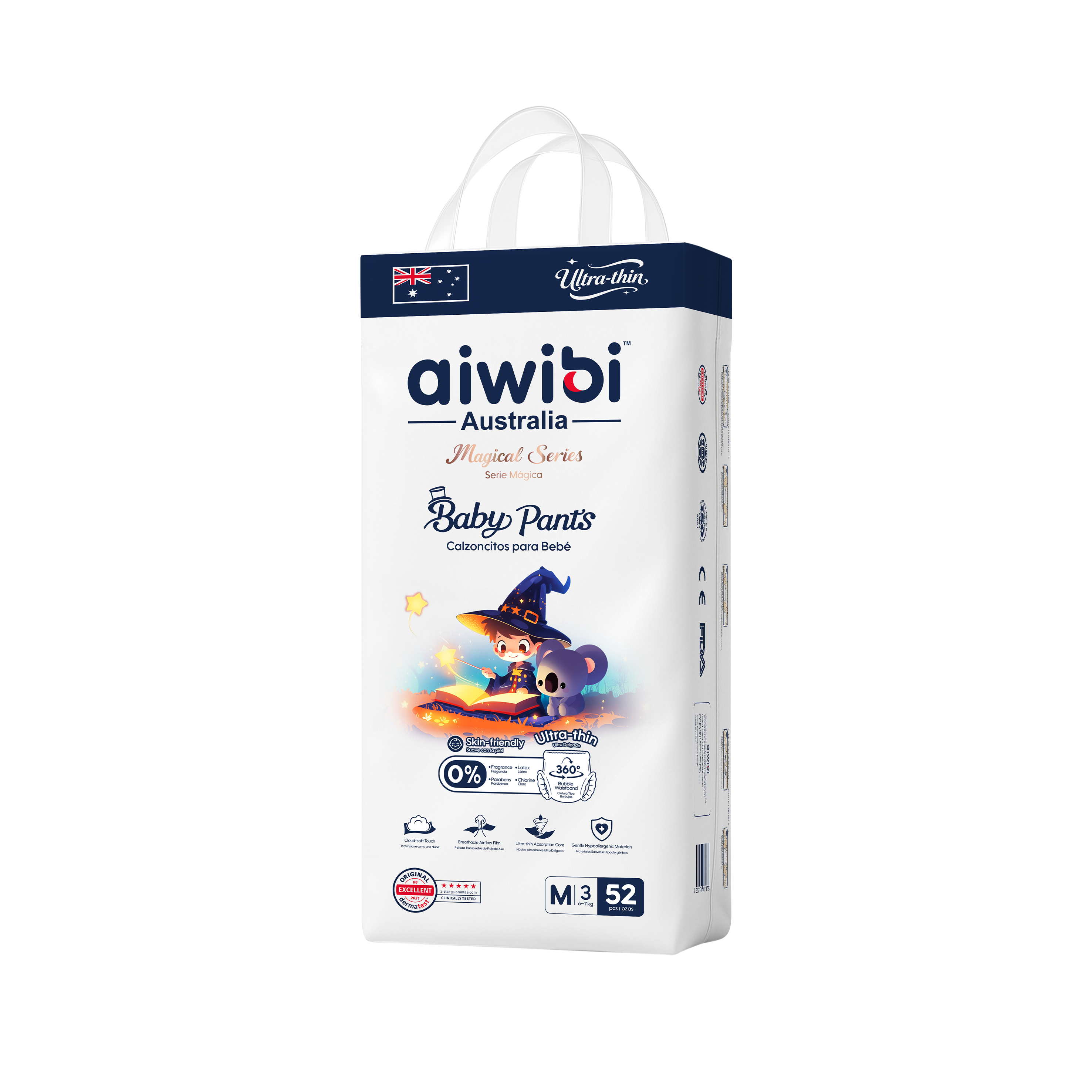
Magical Series Baby Pants Large Pack
Rs. 1,425.00 NPRSale price Rs. 1,425.00 NPRUnit price perRs. 1,450.00 NPR -
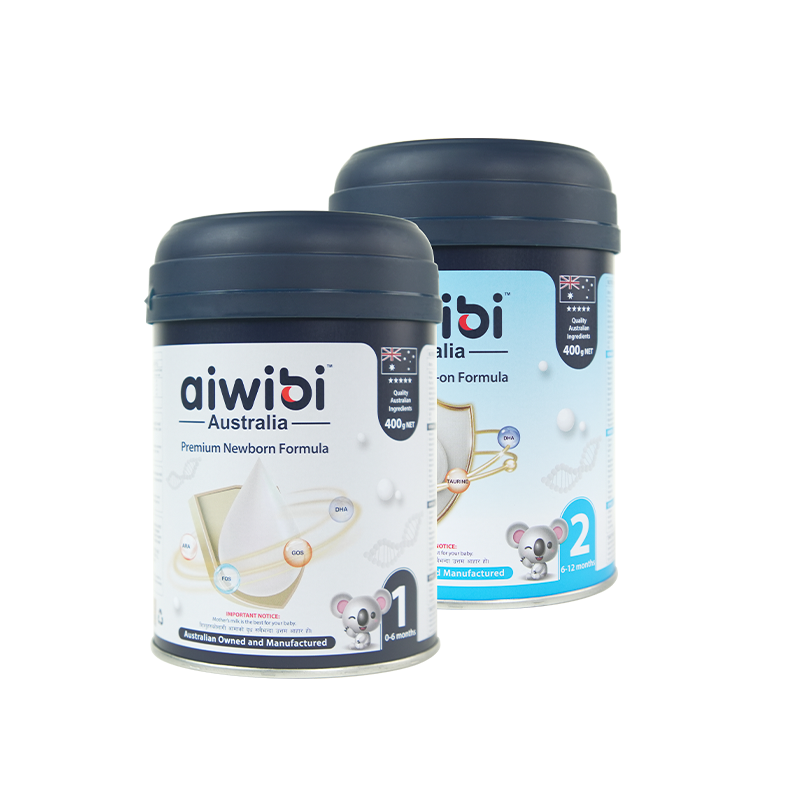
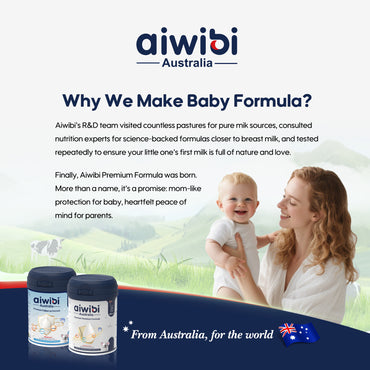
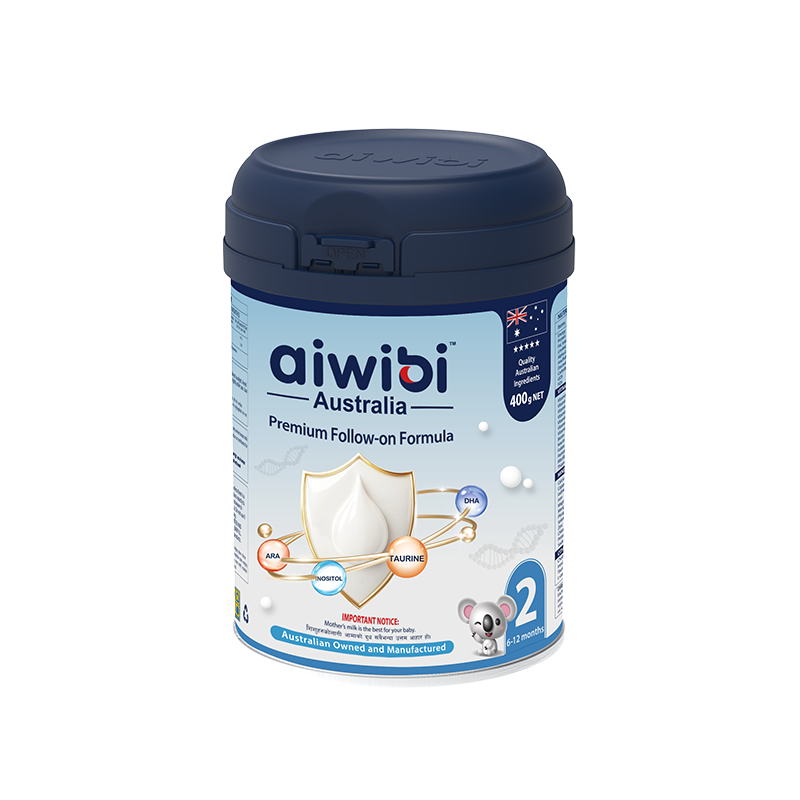
Premium Formula
From Rs. 2,150.00 NPRSale price From Rs. 2,150.00 NPRUnit price per -
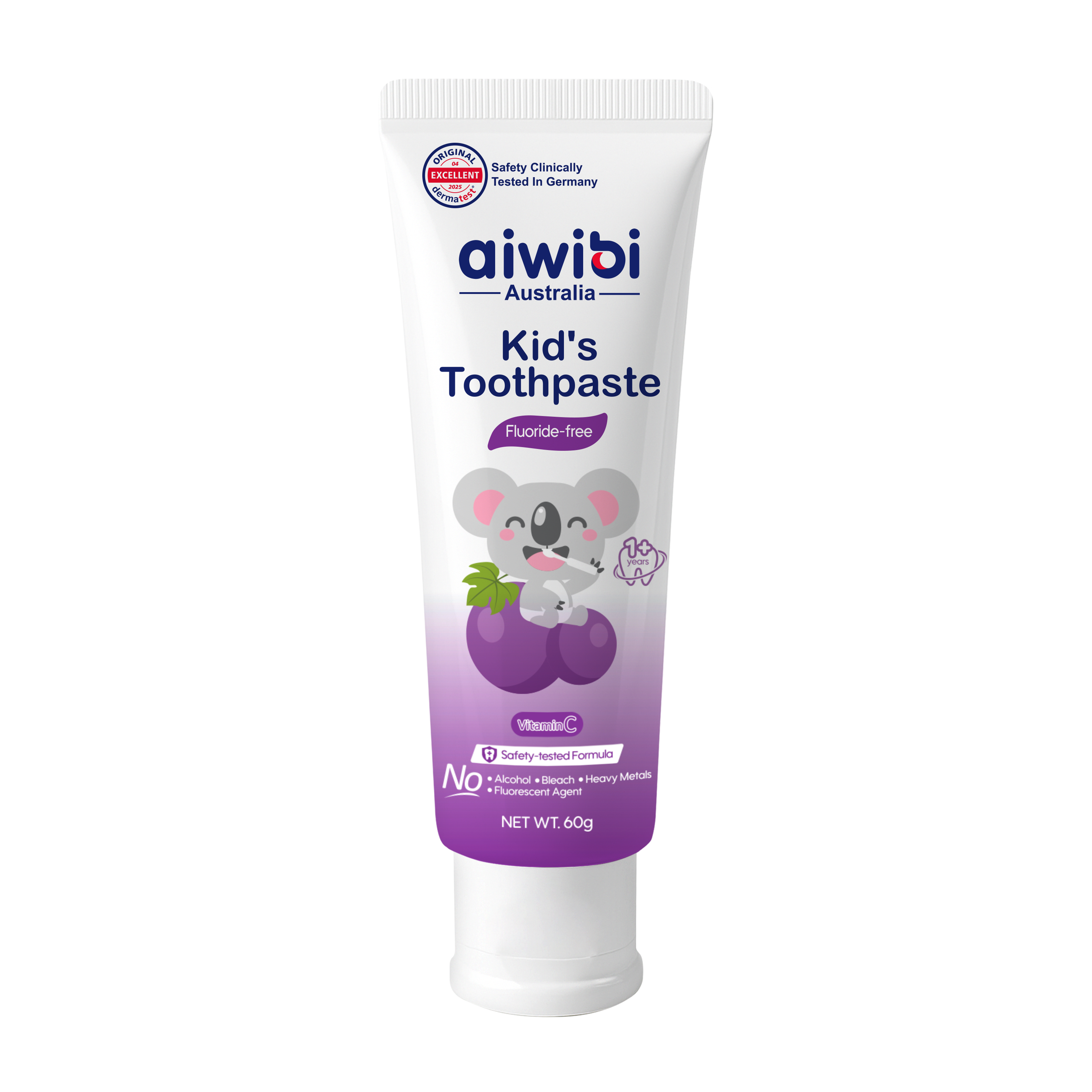
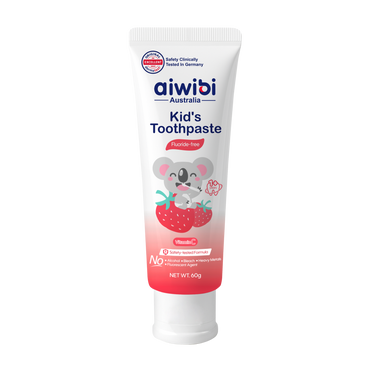
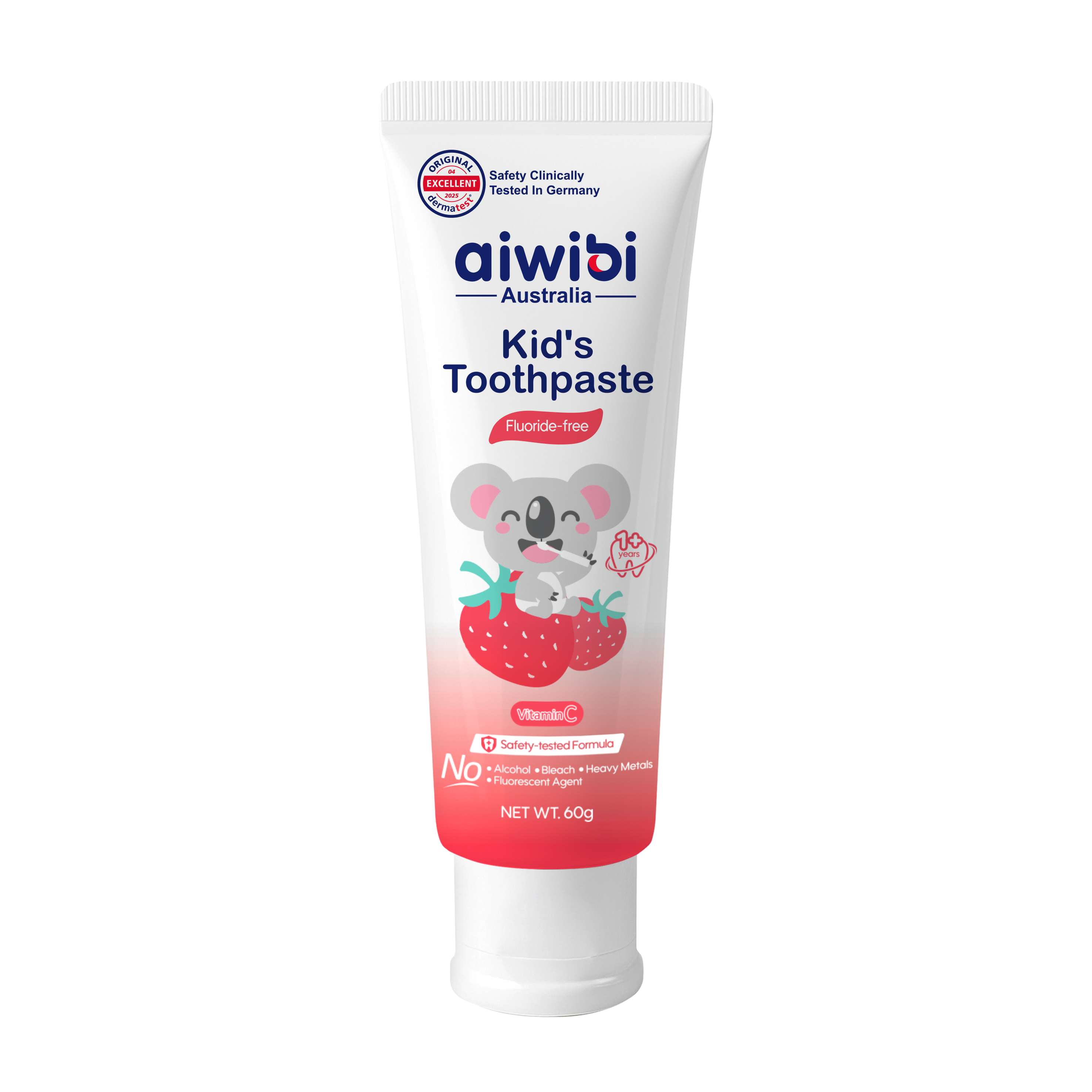
Baby Toothpaste
Rs. 200.00 NPRSale price Rs. 200.00 NPRUnit price per -
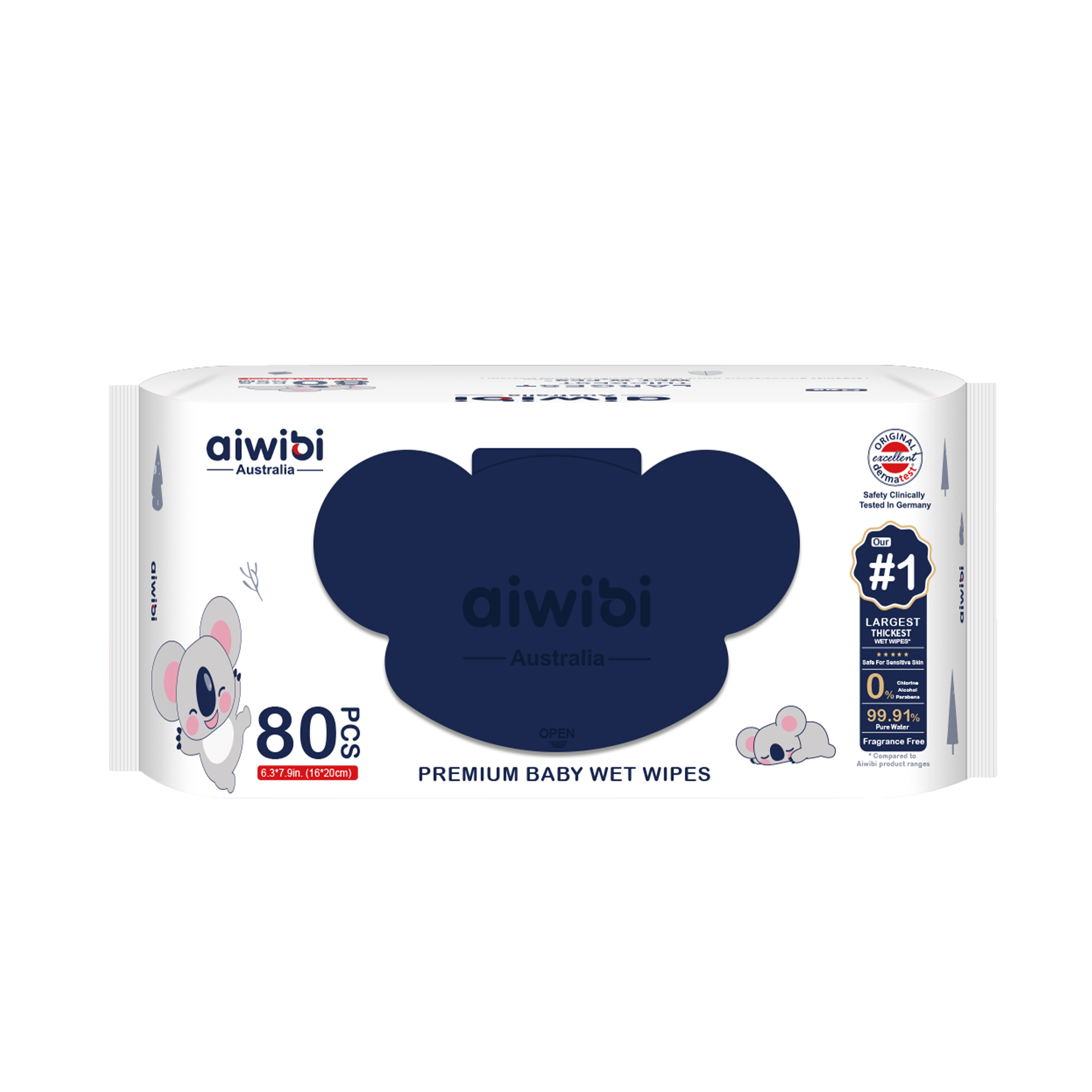
#1 Thickness Premium Baby Wet Wipes
Rs. 350.00 NPRSale price Rs. 350.00 NPRUnit price perRs. 0.00 NPR -
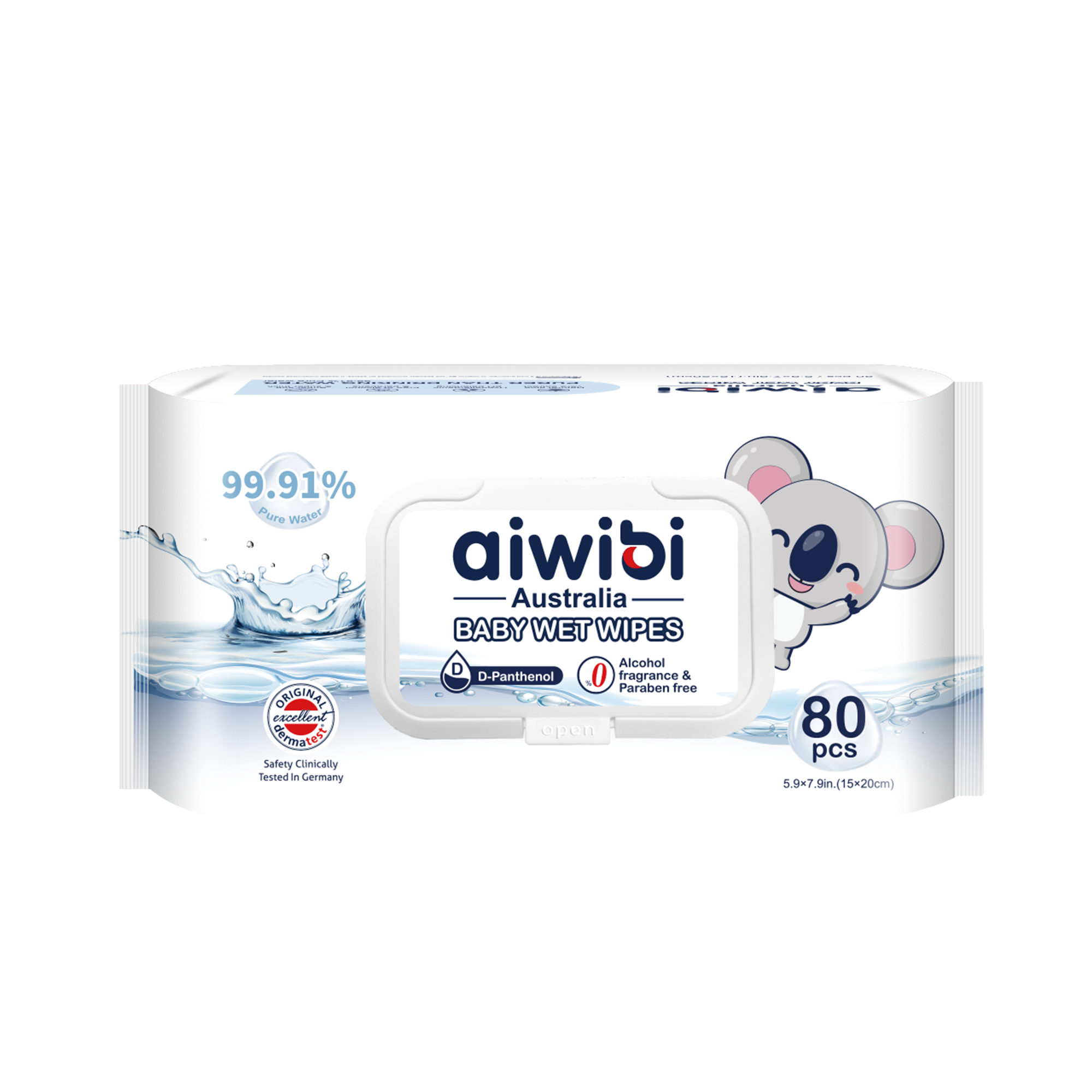
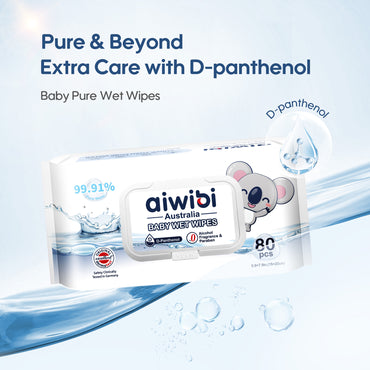
99.91% Pure Water D-Panthenol Wipes
Rs. 205.00 NPRSale price Rs. 205.00 NPRUnit price per -
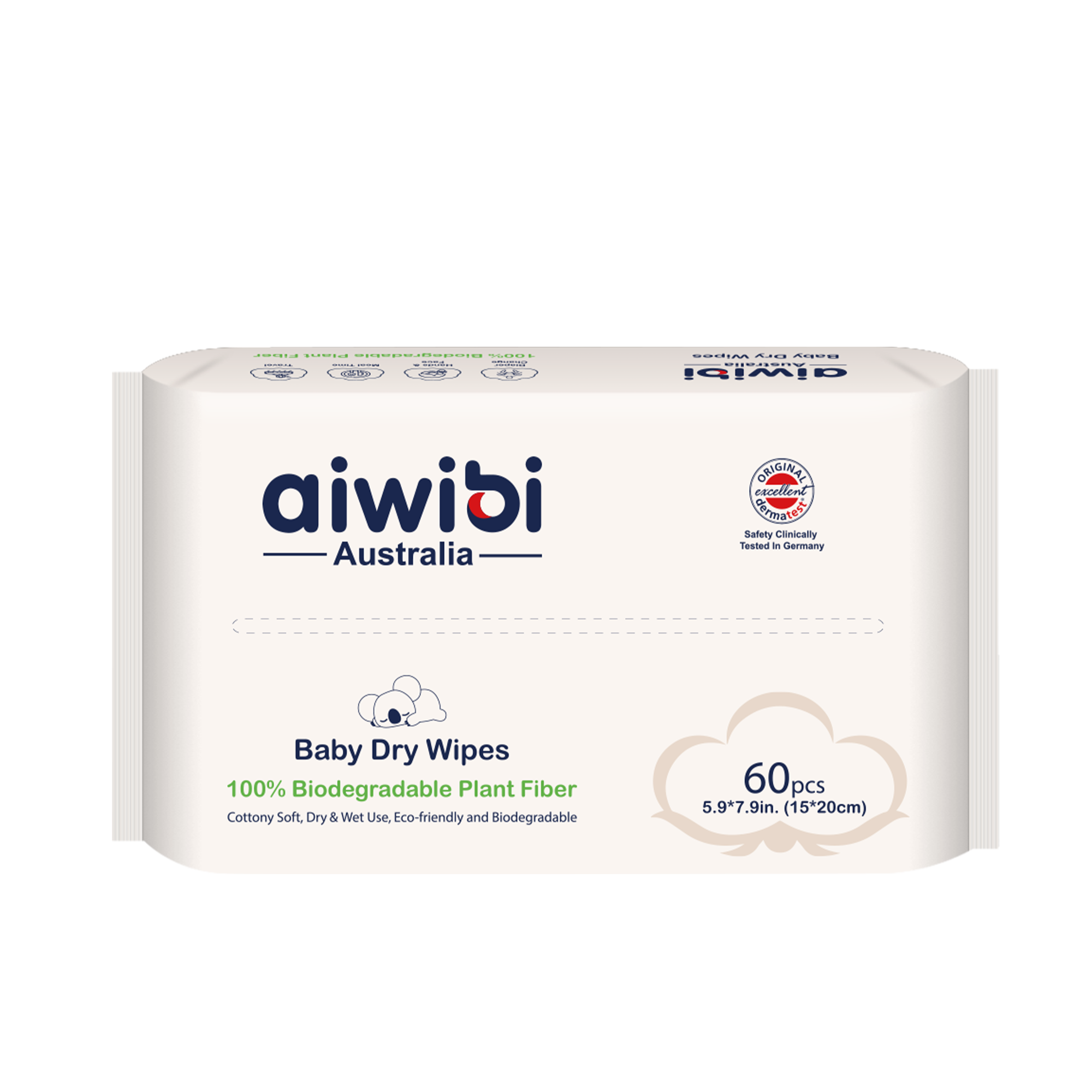
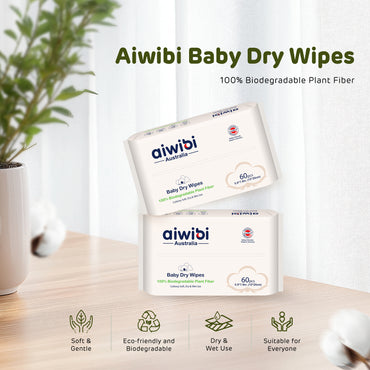
100% Biodegradable Dry Wipes
Rs. 200.00 NPRSale price Rs. 200.00 NPRUnit price per -
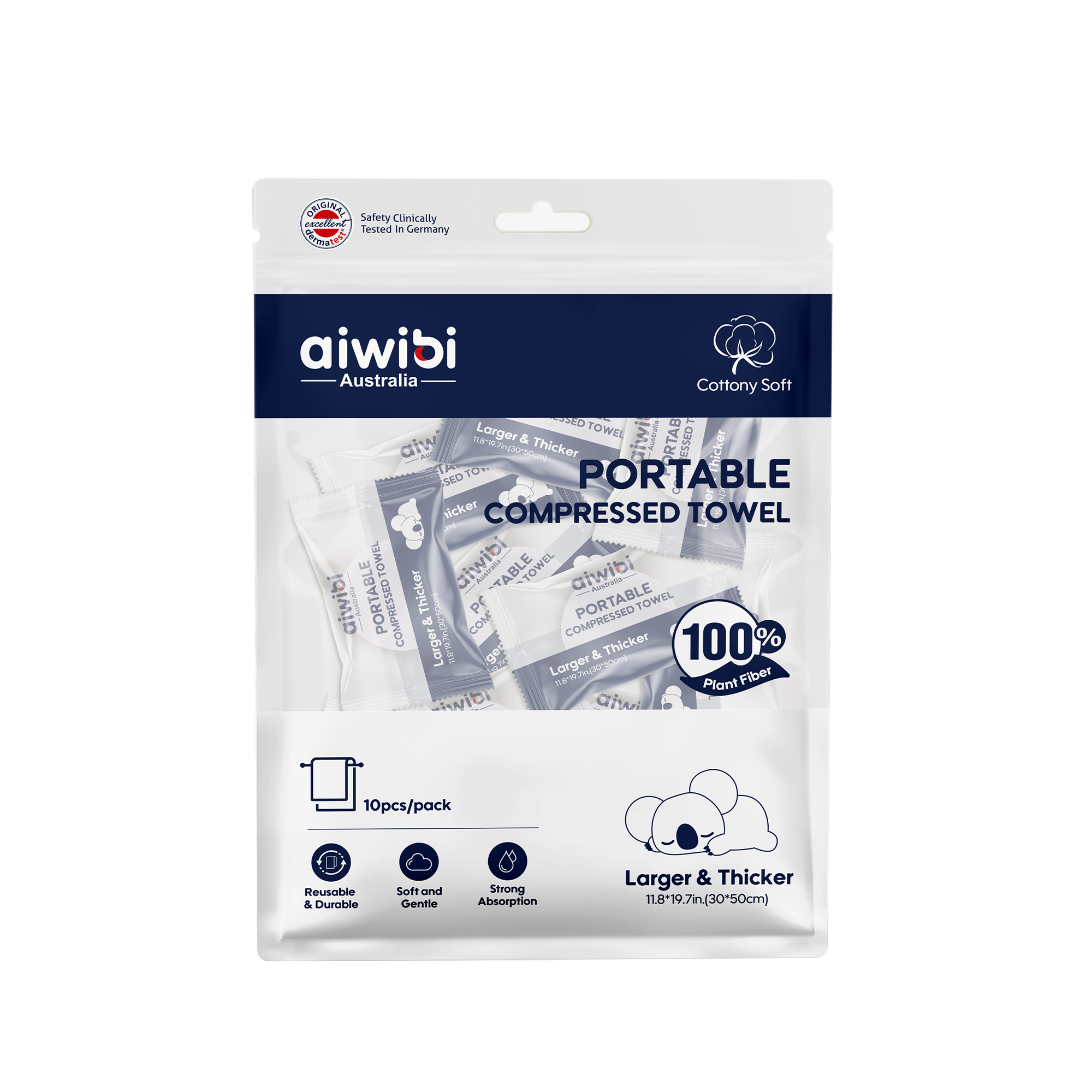
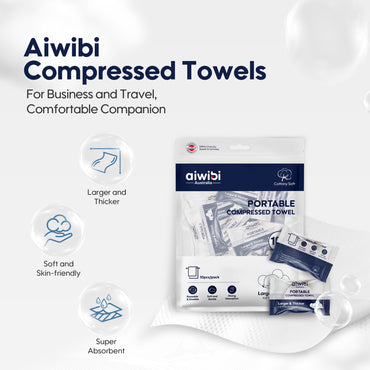
Portable Compressed Towel
Rs. 300.00 NPRSale price Rs. 300.00 NPRUnit price per -
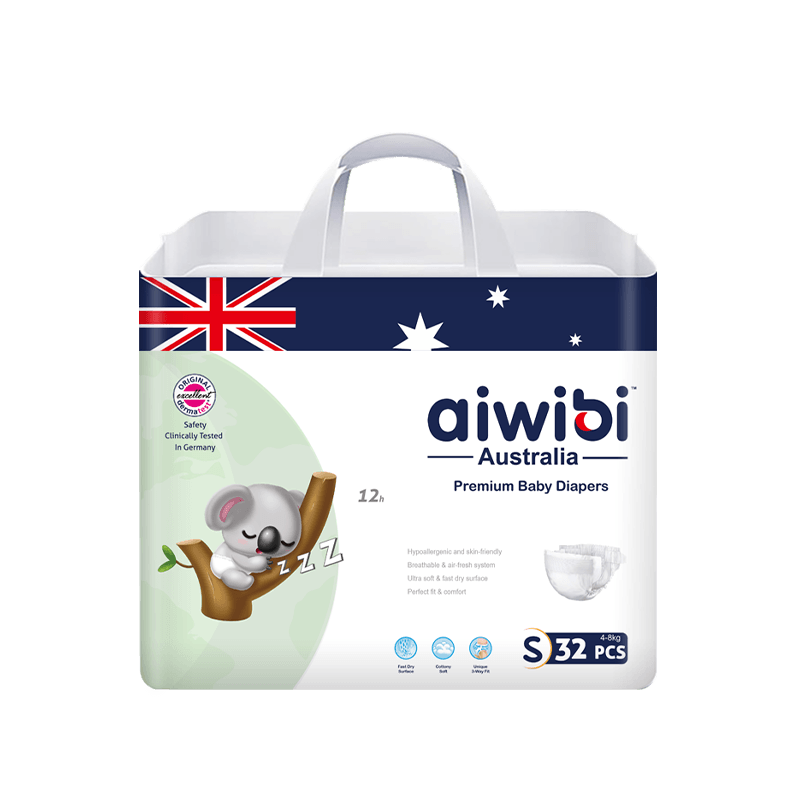
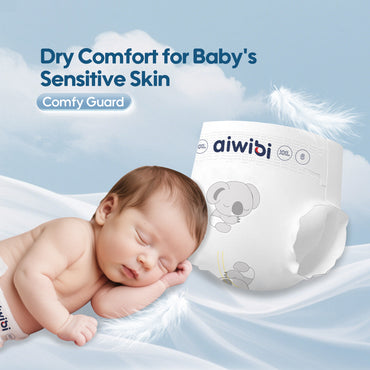
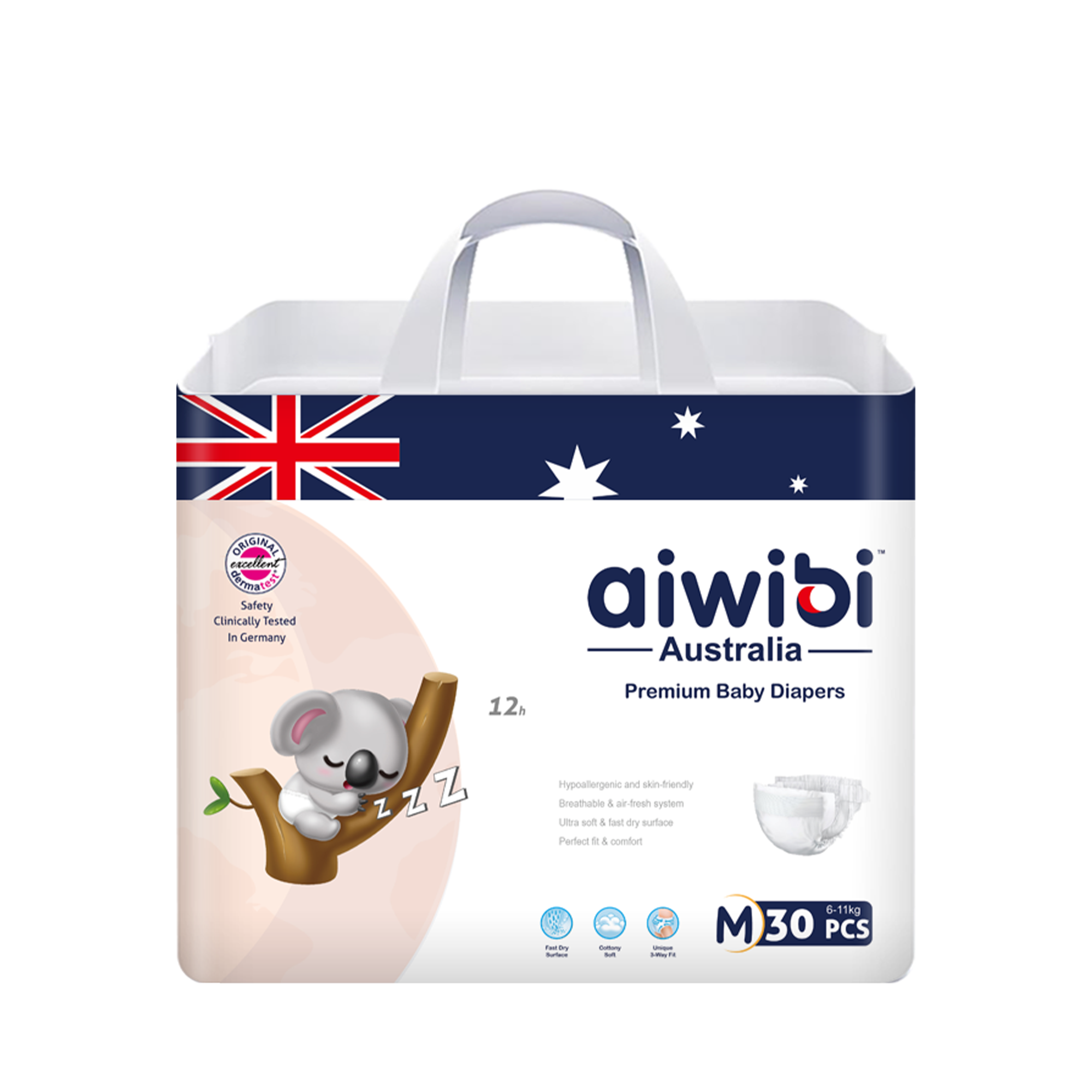
 3% off
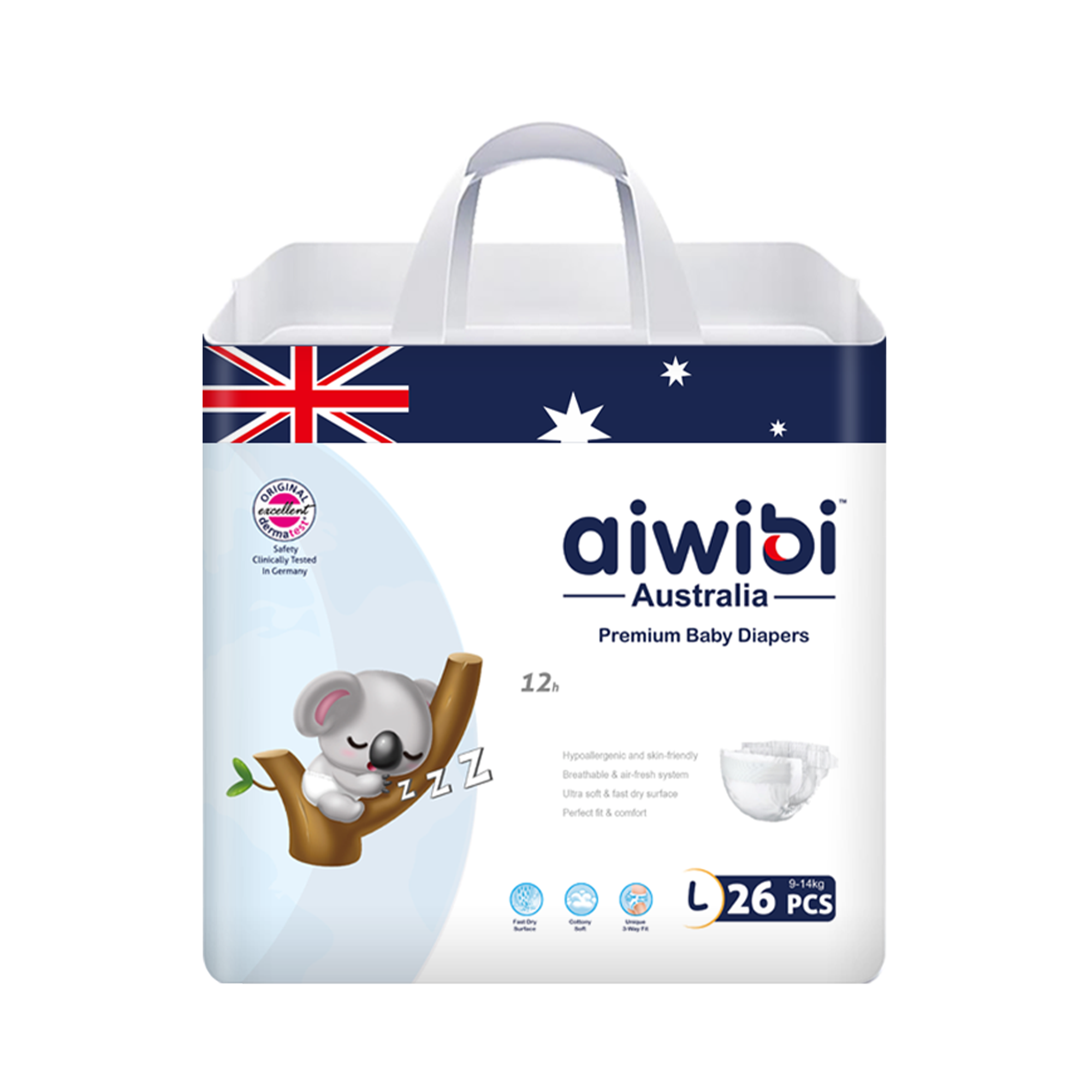
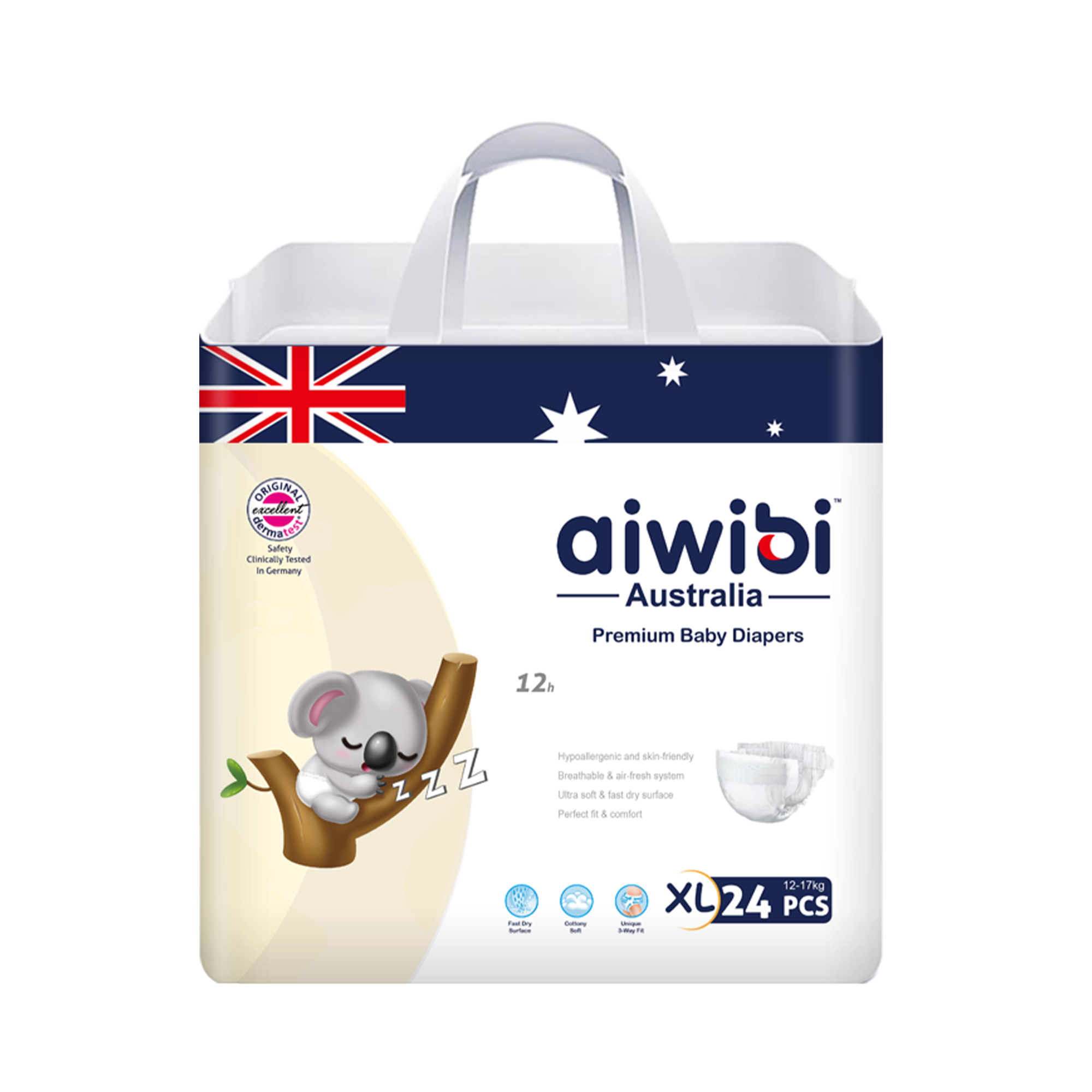
Comfy Guard Baby Diapers
Rs. 750.00 NPRSale price Rs. 750.00 NPRUnit price perRs. 775.00 NPR