
Diaper rash is one of those things many parents will deal with at some point. Your baby's skin may suddenly look red, irritated, or sore around the diaper area, even when you're changing diapers regularly and taking good care of their skin.
And when it gets bad, the usual routine of change, wipe, cream, repeat doesn't always seem to be enough.
Here's what causes Diaper rash, what you can do at home, and when it's worth speaking to a doctor.
What is Diaper rash?
Diaper rash is irritation or inflammation of the skin around your baby's diaper area. It can appear as red, sore or irritated skin and may sometimes look swollen, shiny or scaly.
On brown or Black skin, changes in colour may be harder to see. Spots may appear red or brown, while the affected skin may sometimes look lighter or darker than the surrounding skin. The rash can be uncomfortable and may make your baby more unsettled during diaper changes.
Diaper rash is common, particularly during the first few years when babies spend much of their time in diapers.

What causes Diaper rash?
There isn't always one single cause. Most of the time, diaper rash happens when delicate skin is exposed to moisture, irritation or friction for too long.
1. Wet or dirty diapers
This is one of the most common causes. If wee or poo sits against the skin for too long, it can leave the area sore and irritated, so regular changes can make a big difference.
2. Friction and a poor fit
Babies grow so quickly that a diaper can start feeling snug before you realise it. If you notice red marks around the thighs or tummy, or the diaper seems to rub when your baby moves, it's worth checking the fit.
3. Sensitive skin
Some babies' skin just gets irritated more easily. Soaps, creams, moisture or a little extra rubbing can sometimes be enough to cause a rash, so keeping their routine simple can help.
4. Heat and moisture
We've all seen how warm and sweaty the diaper area can get on a hot day. Regular changes, lightweight clothing and a little diaper-free time can give the skin a much-needed break.

5. Sometimes it's more than a simple rash
If the rash keeps getting worse, spreads, or doesn't seem to be settling, it may be something other than simple irritation. Thrush and other skin conditions can look similar, so check with your GP or pharmacist if you're unsure.
How can you help prevent Diaper rash?
You don't need a complicated routine. A few everyday habits can make a difference.
Step 1: Change wet and dirty diapers regularly
This is probably the least exciting advice, but it really matters.
Urine and poo can irritate your baby's skin, while moisture can make the skin more vulnerable to rubbing and irritation. Changing wet or dirty diapers regularly helps reduce the amount of time the skin is exposed to both.
You don't need to obsess over a perfect schedule.
Newborns may need lots of changes because they feed and poo frequently. Older babies may go longer between changes.
The big one is poo: if you know your baby has done a poo, change them as soon as you can.

Step 2: Be gentle when cleaning
When your baby's bottom is already sore, wiping it over and over can make things feel even worse.
If the skin is particularly irritated, you may find that gently cleaning with lukewarm water and soft cotton is more comfortable than lots of wiping.
And don't scrub.
Step 3: Make sure the skin is actually dry
This is the step that is easy to rush.
After cleaning, give your baby's skin a little time to dry before putting the next diaper on.
You can:
Gently pat the area dry.
Give your baby some diaper-free time.
Let them kick their legs for a few minutes before putting on a fresh diaper.
Pay attention to the skin folds, where moisture can hang around.
You don't need to make this complicated. Even a few extra minutes of air time can be useful.
The goal is simply to avoid putting a fresh diaper over skin that is still wet.
Step 4: Use a diaper cream
A diaper cream can help protect irritated skin from moisture and reduce further irritation. Aiwibi Soothing Nappy Rash Cream, with herbal essence extracts, can be used as part of your baby's everyday nappy care routine.
Apply a thin layer according to the product instructions, particularly after cleaning and gently drying the area. You don't necessarily need to keep changing products every few hours because you're worried that one isn't working. Sometimes, the best approach is to keep things simple and consistent.
If you're unsure which cream is suitable for your baby, your pharmacist or healthcare professional can help you choose one.

Step 5: Check the diaper fit
The diaper should sit securely without digging into your baby's waist or thighs.
If you're seeing frequent leaks, red marks or rubbing, check whether the diaper is still the right size. On the other hand, sizing up isn't always necessary just because your baby has reached the upper end of a weight range. If the current size fits comfortably and there are no leaks or signs of tightness, you can usually continue with it.
Can overnight diapers cause Diaper rash?
Not necessarily.
A longer stretch of sleep can mean that a baby wears the same diaper for several hours. What matters is whether the diaper is able to manage your baby's urine comfortably while maintaining a good fit.
If your baby regularly wakes with a very wet diaper, leaks overnight or develops irritation after long sleep periods, you may want to look at the diaper's fit, absorbency and whether an overnight diaper is more suitable for your baby's needs.
However, an overnight diaper doesn't mean you should leave a soiled diaper unchanged. If your baby has done a poo, change it as soon as practical.
For babies who sleep for longer stretches, a well-fitting, absorbent diaper can help manage moisture during the main sleep period, while regular changes during the day remain important.
When should you see a doctor?
Most mild Diaper rash can be managed at home, but not every rash is ordinary Diaper rash.
Speak to your GP or another healthcare professional if:
-
the rash is getting worse rather than better
-
it isn't improving with basic care
-
your baby seems very uncomfortable or unsettled
-
the rash is spreading
-
you notice blisters, sores, crusting or broken skin
-
your baby has a fever or seems unwell
-
you think the rash could be caused by thrush or another infection.
If you're worried about your baby's skin, it's always reasonable to get it checked.
The diaper rash checklist
If you're standing at the change table wondering "What do I do now?", start here:
✓ Change wet or dirty diapers regularly
✓ Clean gently
✓ Pat, don't rub
✓ Make sure the skin is dry
✓ Give your baby some diaper-free time
✓ Use a suitable barrier cream
✓ Check that the diaper isn't rubbing or too tight
✓ Keep an eye on whether the rash is improving
And most importantly, don't panic if it happens.
diaper rash is incredibly common, and sometimes it can appear surprisingly quickly. A few simple changes can help protect your baby's skin, and if it isn't settling, getting professional advice can save you a lot of guesswork.
Because when your baby's bottom is sore, the last thing you need is a 15-step skincare routine.
Sometimes you just need clean, dry, protected skin — and a little patience.
Quick FAQ
How often should I change my baby's diaper to prevent Diaper rash?
There is no fixed schedule for every baby. Check your baby's diaper regularly and change wet or dirty diapers promptly, especially after a poo.
Can a tight diaper cause Diaper rash?
A tight diaper can increase friction and rubbing, which may contribute to skin irritation. Check the fit if you notice red marks, rubbing or difficulty fastening the diaper.
Is Diaper rash caused by not changing diapers often enough?
Wetness and contact with urine or poo can irritate the skin, so regular changes can help reduce the risk. However, Diaper rash can have other causes too, including friction, sensitive skin, thrush and other skin conditions.
Can I use wipes when my baby has Diaper rash?
If your baby's skin is irritated, gentle cleaning with lukewarm water and soft cotton can be a simple option. If you prefer wipes, choose ones made for babies and formulated with gentle ingredients, and stop using them if they appear to irritate your baby's skin.
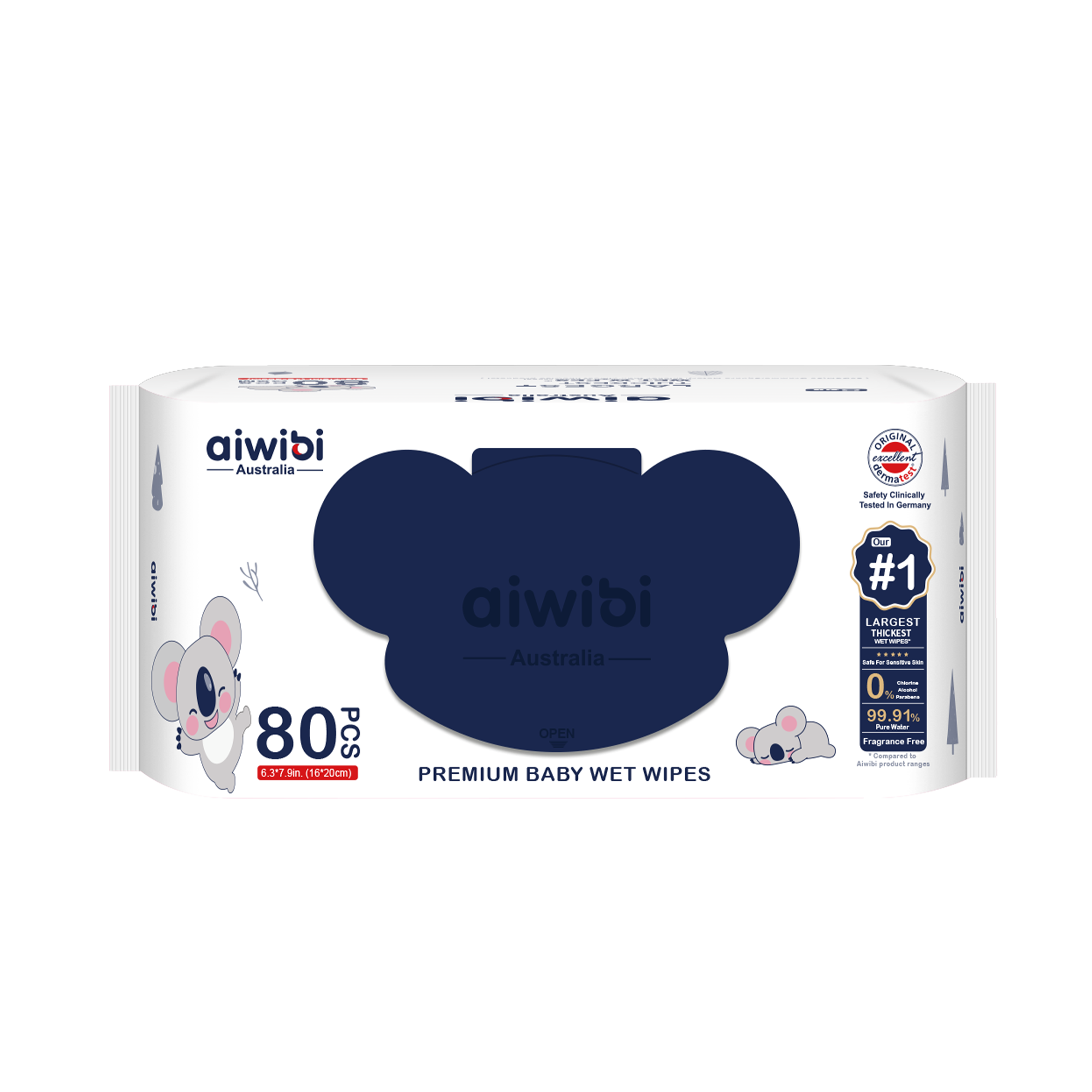
For everyday nappy changes, you can also explore Aiwibi Baby Wipes and choose the option that best suits your baby's skin and your family's routine.
Can babies get Diaper rash overnight?
Yes. A long sleep period can mean longer contact with moisture, particularly if the diaper becomes very wet. A suitable fit and absorbency can help, while soiled diapers should still be changed as soon as practical.
How long does Diaper rash take to clear?
Mild irritation may improve with good skin care and keeping the area clean and dry. If the rash isn't improving or is becoming worse, speak with your GP or another healthcare professional.