If your baby’s diaper keeps leaking at night, you’re definitely not alone. You finally get your little one to sleep and hope for a few peaceful hours, only to wake up to a restless baby, damp pyjamas, or even wet sheets.
Nighttime diaper leaks can be frustrating, but they don’t always mean you’ve chosen the wrong diaper. Sometimes the fit isn’t quite right, sometimes the diaper shifts as your baby moves in their sleep, and sometimes your little one is simply sleeping longer and wetting more than before.
The good news is that once you understand what’s causing the leaks, they’re often much easier to prevent. Let’s take a closer look at what might be happening.
Why Does My Baby's Diaper Leak at Night?
Nighttime is different from daytime. Your baby may go several hours without a diaper change, so the diaper needs to manage more liquid over a longer period.
Here are some of the most common reasons you may be waking up to a wet baby.
The diaper may be getting too small
One of the first things to check is the fit.
As your baby grows, a diaper that fitted perfectly a few weeks ago can start feeling a little snug. You might notice marks around the thighs or tummy, the tabs sitting further apart, or leaks happening more often.
A diaper that's too small simply has less room to contain everything your baby produces overnight.
But there's something important to remember: bigger doesn't always mean better.
If the next size up leaves gaps around your baby's legs, urine can escape before it reaches the absorbent core.
That's why it's better to look at your baby's weight and, just as importantly, how the diaper actually fits.
Recommended reading: Still not sure if your little one needs a bigger size? Take a look at our Aiwibi Diaper Size Guide to find a comfortable fit for your baby.
The leg cuffs may not be sitting properly
This is one of those little things that's easy to miss during a bedtime change.
Take a moment to look around your baby's thighs after putting the diaper on. The soft inner leg cuffs should be pulled out rather than tucked inside.
If they're folded inward, they can't do their job properly.
A quick check around both legs before you settle your baby down can sometimes make all the difference.
Your baby may simply be sleeping longer
Remember those early days when your baby woke up every few hours? Around 3–6 months, many babies gradually start sleeping for longer stretches at night, although every baby develops their own sleep pattern.
That sounds wonderful for tired parents—but it also means the diaper may need to hold more urine for much longer.
If your baby now sleeps for 6–10 hours and you find the diaper very full or heavy in the morning, rather than leaking from a gap around the legs or waist, it may simply be reaching its capacity.
In this case, choosing a diaper designed for longer overnight wear can give your little one—and you—a little more peace of mind.

Your baby's sleeping position has changed
Babies are surprisingly active sleepers.
One minute they’re curled up like a little burrito, and the next they’re kicking their legs, rolling onto their side, or somehow ending up in a completely different position.
You may even notice that the leak always seems to happen in the same place.
If it's usually around the legs, check the fit and leg cuffs.
If it's at the back, make sure the diaper is sitting high enough and fits securely around the waist.
If the diaper is completely soaked, however, the bigger issue may be how much liquid it is holding overnight.
The diaper may not be fastened quite right
A diaper doesn't need to be pulled as tight as possible to prevent leaks.
In fact, too much pressure can make the diaper sit incorrectly around your baby's body.
Try fastening both sides evenly and make sure the waistband feels comfortably snug. You should be able to fit a finger between the diaper and your baby's tummy.
Then gently check around the legs to make sure there aren't any obvious gaps.
It sounds like a small thing, but those few seconds before bedtime can save you from a middle-of-the-night sheet change.
What Should I Look for in a Nighttime Diaper?
For overnight use, you don't necessarily need the thickest diaper you can find.
What matters is having enough absorbency for a long night while keeping your baby comfortable and free to move. A good nighttime diaper should hold plenty of liquid, distribute it well, and stay securely in place without feeling bulky.
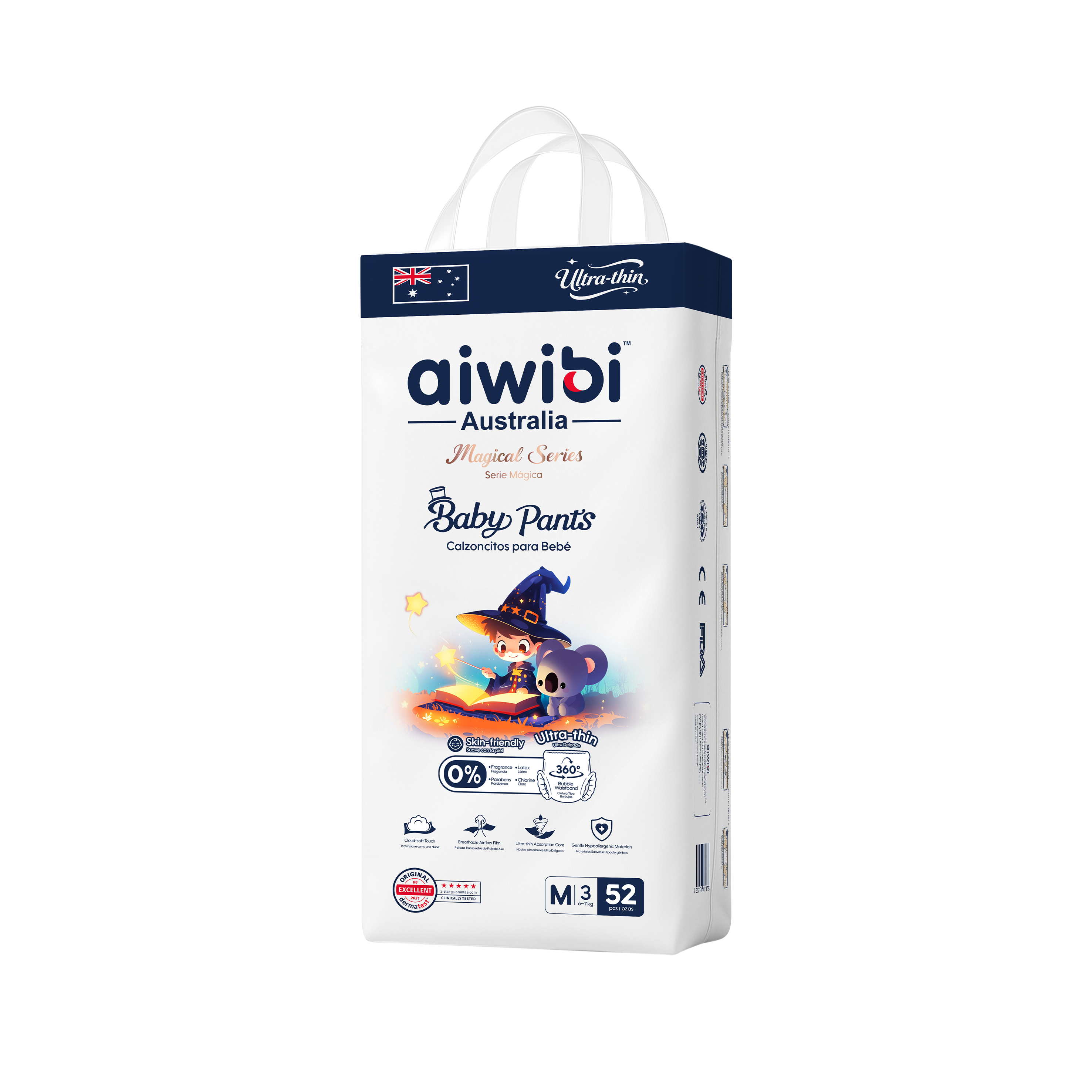
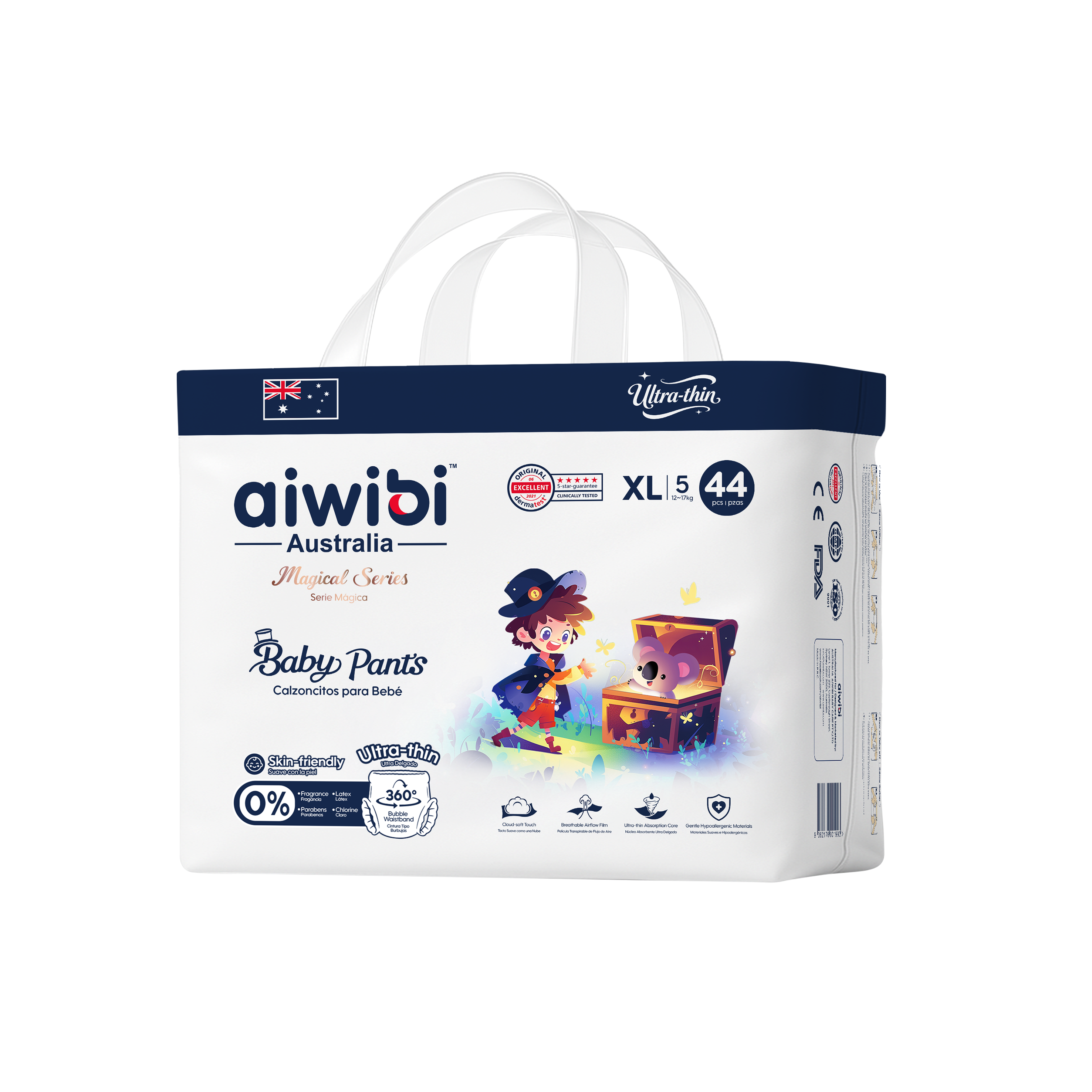
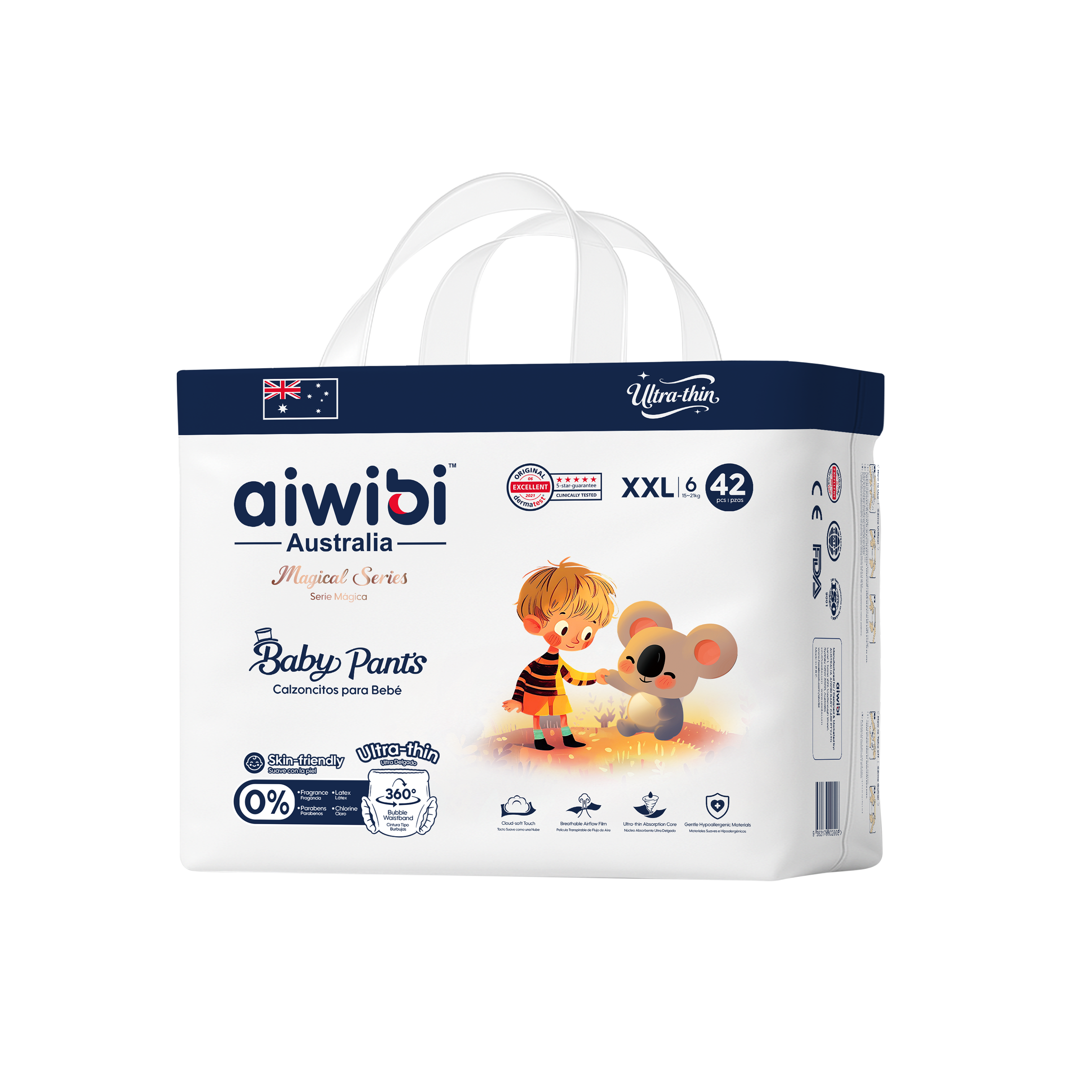
If your little one is an active sleeper or has started sleeping for longer stretches, Aiwibi Astronaut Premium Baby Pants are designed with longer nights in mind.

They offer up to 2,000 ml of absorption and up to 12 hours of protection, helping keep your baby dry and comfortable through the night. The pull-up design also makes them easy to put on and helps the pants stay in place as your little one rolls, kicks, and moves in their sleep.
For parents in Nepal, the range is available from Size S through XXL, so you can choose based on your baby's current size and fit rather than simply their age.
-
S (2): 4–8 kg
-
M (3): 6–11 kg
-
L (4): 9–14 kg
-
XL (5): 12–17 kg
-
XXL (6): 15–21 kg
If your baby's diaper is regularly very full by morning or nighttime leaks have become more frequent as they sleep longer, Astronaut premium baby pants could be a good option to consider for extra overnight protection.
What Can I Do to Stop Nighttime Leaks?
Before you say goodnight, take a quick look:
-
Is the diaper the right size for your baby's current weight?
-
Are the leg cuffs pulled out?
-
Does the diaper sit comfortably around the tummy?
-
Are there any gaps around the thighs?
-
Is the diaper suitable for how long your baby usually sleeps?
-
Is the sleepwear loose enough to let the diaper fit naturally?
It only takes a few seconds, but it can make those long nights a little easier.

The Goal Is a Dry, Comfortable Night
Nighttime leaks can be exhausting. Especially when you've just managed to get your baby back to sleep and suddenly you're changing clothes and sheets at 2 a.m.
But don't blame yourself—and don't assume you need to immediately switch to the biggest or thickest diaper.
Start by looking at where the leak happens and what the diaper looks like in the morning. From there, you can work out whether the issue is fit, positioning, wearing time, or absorbency.
And sometimes, the simplest change—a better fit, properly positioned leg cuffs, or a diaper made for longer overnight protection—is all your little one needs for a more comfortable, drier night.
Because when your baby sleeps peacefully, you deserve a little more peaceful sleep too.